Achieve Lasting Results: Step-by-Step Approaches to Dog Training for every single Breed
Dog training is a nuanced procedure that differs greatly among various types (Freeport Florida Dog Trainer). Understanding each pet dog's distinct traits is essential for efficient training. By concentrating on vital commands and utilizing positive reinforcement, instructors can promote strong communication. However, challenges commonly occur, requiring tailored techniques to resolve behavioral concerns. Exploring these approaches can pave the method to a mannerly canine companion, but what specific techniques generate the best results for every breed?
Comprehending Your Dog's Type and Personality

How can recognizing a dog's type and personality enhance training effectiveness? Recognizing these attributes permits instructors to customize their approaches to match private dogs. Different breeds possess special features; for example, rounding up types may show high power and knowledge, while plaything breeds might present stubbornness or level of sensitivity. By determining these qualities, fitness instructors can develop strategies that straighten with a dog's all-natural tendencies, fostering far better interaction and cooperation. Furthermore, recognizing character-- whether a dog is timid, aggressive, or friendly-- enables instructors to develop a secure and supportive atmosphere. This awareness aids lessen stress and enhances finding out possible. Inevitably, a breed and temperament-informed strategy causes much more reliable training sessions and reinforces the bond in between pet and owner, advertising an unified partnership.
Important Commands Every Dog Should Find out
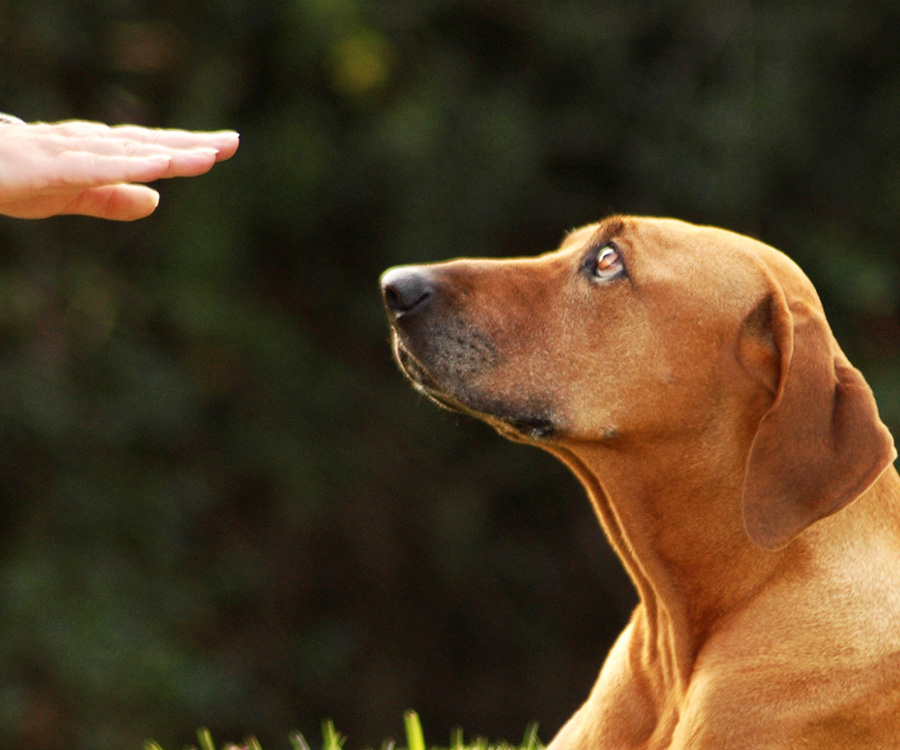
Recognizing a dog's type and personality prepares for efficient training, particularly when it comes to showing necessary commands. Key regulates such as "sit," "stay," "come," and "down" develop the foundation of a mannerly pet. "Sit" educates impulse control, while "stay" offers safety in different settings. "Come" is vital for recall, guaranteeing that the dog returns when called. "Down" urges peace and can assist stop unwanted actions. In addition, regulates like "leave it" and "heel" are invaluable for handling a dog's interactions with their environments. By concentrating on these necessary commands, owners can improve interaction and develop a strong bond with their pet dogs, leading to a more unified relationship.
Positive Reinforcement Methods for Efficient Training
While standard training approaches usually rely upon improvements and technique, favorable reinforcement techniques have gained appeal for their performance and humane technique. This training technique concentrates on rewarding preferred habits, consequently encouraging canines to repeat those actions. Benefits can include deals with, praise, or playtime, creating a positive organization with the habits being trained. Uniformity is important; fitness instructors must provide incentives immediately after the wanted habits strikes strengthen the connection. In time, pet dogs learn to respond to hints a lot more accurately. Furthermore, this technique cultivates a stronger bond in between the dog and fitness instructor, as it stresses count on and interaction. Generally, positive support not only enhances training results however additionally promotes a better, much more positive canine friend.
Resolving Behavioral Issues: Advice
Advanced Training: Techniques and Dexterity Workouts
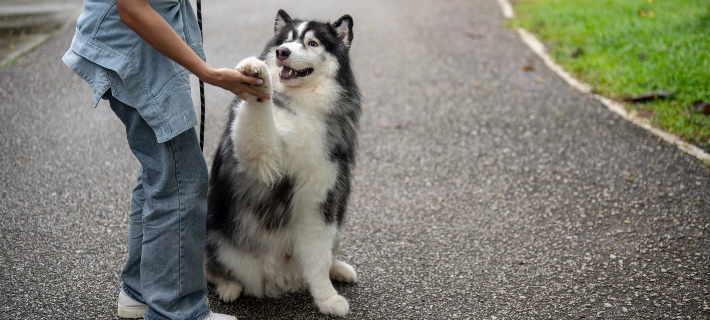
Raising a dog's training to advanced degrees involves presenting tricks and dexterity workouts that promote both the mind and body. Methods such as rolling over, surrendering, or learning to bring particular things enhance a dog's cognitive capacities and enhance the bond in between the animal and proprietor. Agility training, that includes maneuvering with tunnels, weaving through posts, and jumping over obstacles, not only improves physical health and fitness yet also enhances obedience and focus. Constant technique and favorable reinforcement are crucial parts of this innovative training. Owners must guarantee that training sessions stay enjoyable, integrating rewards and breaks to maintain inspiration. Ultimately, these innovative methods add to a well-shaped, psychologically triggered dog, with the ability of exciting with newfound abilities and dexterity.
Regularly Asked Questions
How much time Does It Require To See Training Results?
Outcomes from dog training usually come to be obvious within a few weeks, relying on the pet dog's age, type, and consistency of practice. Perseverance and routine reinforcement are essential for accomplishing lasting behavior changes in pets.
Can I Train an Older Dog Successfully?
What Should I Do if My Dog Withstands Training?
If a dog resists training, the trainer needs to stay individual and constant, imp source changing techniques to fit the canine's temperament. Favorable reinforcement and brief, engaging sessions can help construct count on and motivate teamwork.
Are There Specific Training Methods for Rescue Dogs?
Yes, particular training methods for rescue pets often consist of favorable support, patience, and uniformity. Building trust through progressive introductions, socialization, and utilizing treats can assist these dogs adjust and do well in their training journey.
Exactly How Can I Preserve My Dog's Training Long-Term?
To preserve a dog's training long-term, constant reinforcement of commands, routine have a peek at this site method sessions, favorable reinforcement, and engaging tasks are crucial. In addition, varying the training environment can improve adaptability and retention of discovered actions.
Comprehending a dog's type and character lays the foundation for reliable training, particularly when it comes to educating important commands. Results from canine training commonly end up being visible within a couple of weeks, depending on the pet's age, type, and consistency of method. If a dog resists training, the trainer ought to stay client and constant, changing techniques to fit the pet's temperament. Yes, specific training methods for rescue pets commonly consist of positive support, persistence, and consistency - Professional Dog Training Freeport FL. To maintain a dog's training long-term, constant support of commands, routine practice sessions, positive reinforcement, and interesting tasks are necessary